
Mindful Meditation·ten healthy ways to practise
A deeper practice guide for mind, body and soul — ten accessible methods drawn from clinical teaching and contemplative traditions, with safety built in. Information only, not therapy tailored to you.
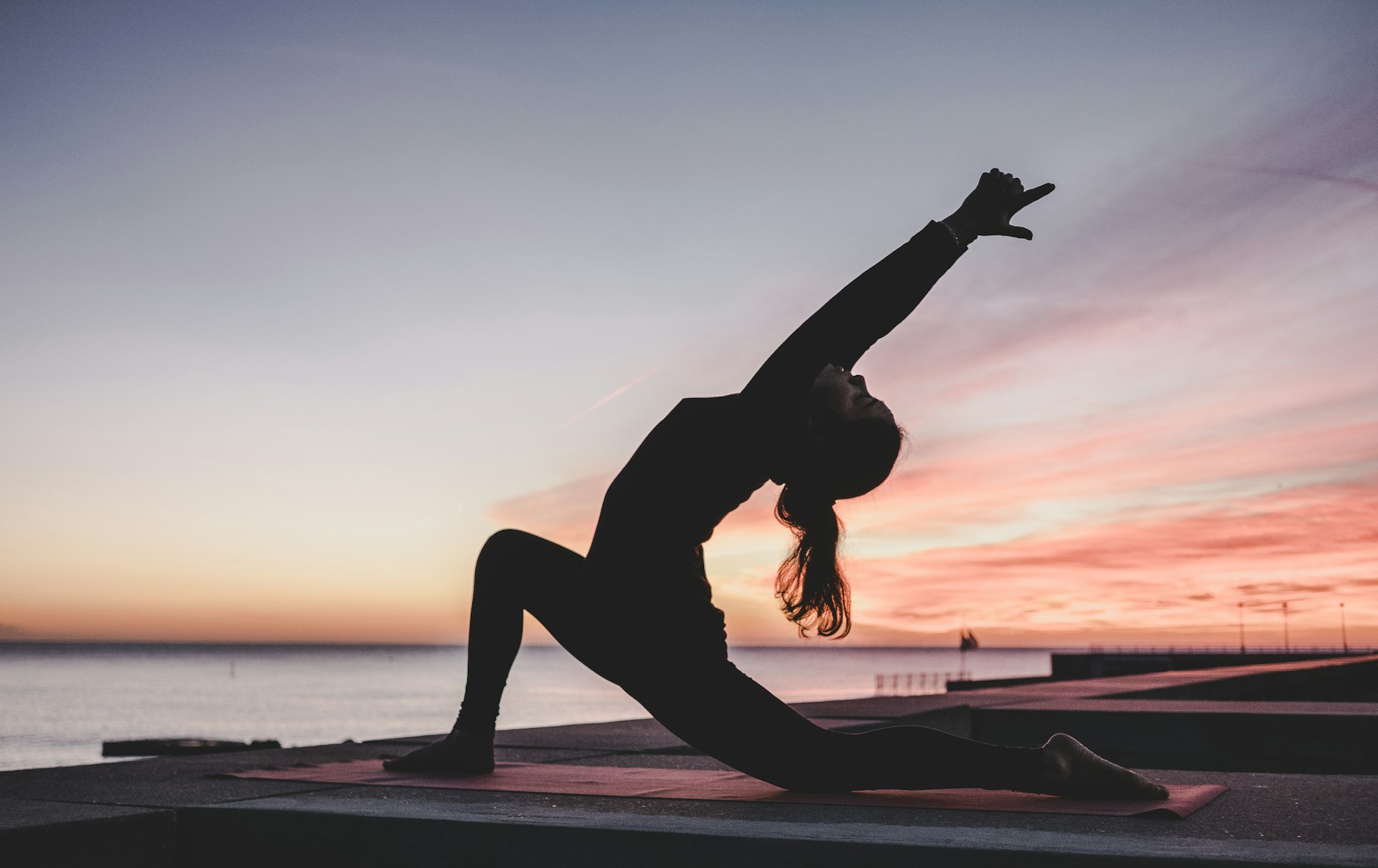
Photo: kike vega / Unsplash
Meditation pages

Choose one method. Keep it kind.
Read the Meditation research overview for what evidence can and cannot claim. This page is the practical half: ten healthy ways people train attention without needing special equipment. Start with one method for a week. Five to ten minutes is enough. Longer is optional, not superior.
Sit, stand or lie in a way your joints can sustain. Soften the jaw and shoulders. Prefer open or half-closed eyes if closing them feels unsafe. If distress rises sharply, stop, open your eyes, feel your feet, and seek support if needed — especially if you have trauma, psychosis, severe depression or panic in your history.
Healthy meditation is flexible. You are allowed to shorten, skip, or change the practice. Force is not wisdom.
Anchored breath awareness
Feel the breath where it is easiest to notice — nostrils, chest or belly. Do not force a special pattern. When the mind wanders, label it softly (“thinking”) and return. This is the foundation of most MBSR-style teaching and Mayo Clinic beginner guidance.
Mind: trains return of attention.
Body: often slows the breath and eases bracing.
Soul: practises patience with yourself in real time.
Try Three minutes. Count ten breaths, then start again when you lose count — without scolding.


Body scan
Move attention slowly from feet to head (or reverse). Notice warmth, pressure, tingling or numbness without needing to fix anything. Used in MBSR and studied for short-term stress relief and body awareness (Greater Good Science Center summaries).
Mind: narrows rumination by giving attention a map.
Body: can release unnoticed tension; skip areas that flood you.
Soul: treats the body as a home, not an enemy.
If scanning intensifies panic or trauma memories, stop. Switch to breath or open-eyed grounding.
Open monitoring — watch what arises
After a minute of breath, widen awareness: sounds, thoughts, feelings, bodily sensations. Let them appear and pass like weather. Do not chase or suppress. This trains the “accuracy” side of attention highlighted in cognitive meta-analyses — noticing without getting hooked.
Mind: builds perspective on thoughts.
Body: keeps a light contact with posture and breath.
Soul: loosens the story that every feeling is permanent.
Try Whisper “here” each time you notice you were lost in thought, then rest in open awareness again.


Loving-kindness (metta)
Silently offer simple wishes: may I be safe; may I be well; may I live with ease. Extend the same phrases to a friend, a neutral person, someone difficult (only if that feels workable), and finally to all beings. Research on loving-kindness and compassion meditation links these practices with warmth, connection and reduced self-criticism for many practitioners.
Mind: redirects attention from threat scanning to care.
Body: often softens face and chest.
Soul: practises belonging to a shared human field.
If loving yourself feels impossible, start with a pet, a child, or “may all beings be free from harm,” then include yourself later.
Self-compassion break
When you notice suffering, pause and name it (“this hurts”). Remind yourself that struggle is part of a shared human life. Offer yourself the tone you would offer a friend — a hand on the heart if that helps, or a quiet phrase: “may I be kind to myself in this moment.” Drawn from contemporary self-compassion teaching, this is meditation for hard days, not only calm ones.
Mind: interrupts shame spirals.
Body: can downshift the stress response.
Soul: repairs the inner relationship that every outer relationship rests on.
Everyday example After a mistake at work, take sixty seconds for the three steps before you send the next message.


Walking meditation
Walk slower than usual. Feel lift, move, place. Notice air on skin and sound underfoot. Ideal when sitting stirs agitation. Mayo Clinic and many mindfulness curricula treat walking as a full practice, not a warm-up.
Mind: attention rides a clear sequence of sensations.
Body: gentle circulation and posture awareness.
Soul: joins your life to ground and place — street, park or corridor.
Try Ten steps with full attention, then ordinary walking, then ten mindful steps again.
Listening meditation
Sit and receive sound without labelling it as good or bad — traffic, birds, fridge hum, voices in another room. When you notice you were lost in a story about the sound, return to raw hearing. Excellent for people who find breath focus boring or body focus too intense.
Mind: trains non-reactive noticing.
Body: often settles the face and shoulders as striving drops.
Soul: practises hospitality toward the world as it is.
You do not need silence to meditate. You need willingness to hear what is already here.

Mantra or phrase focus
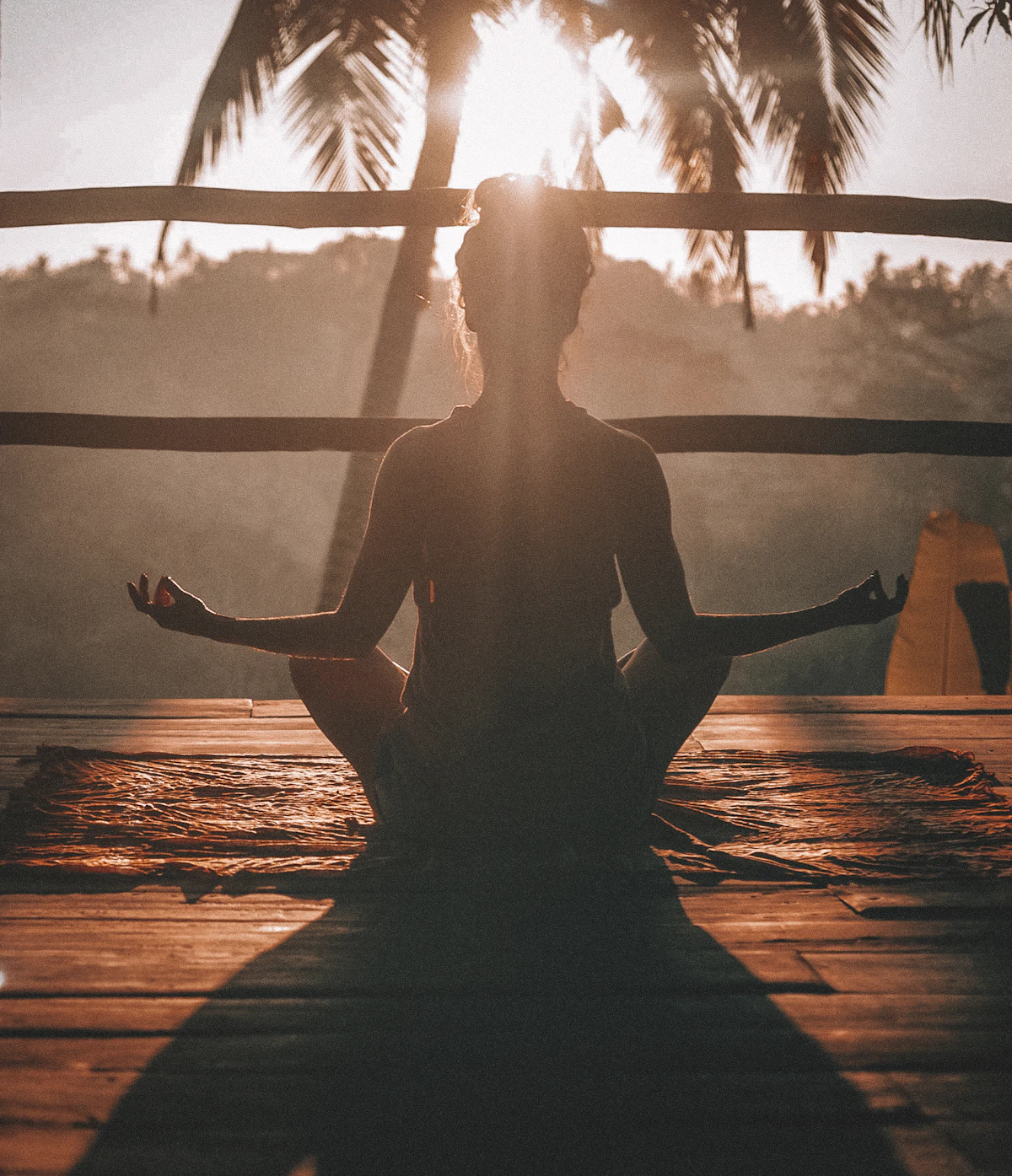
Repeat a simple word or short phrase in rhythm with the breath — for example “peace,” “here,” or a meaningful line from your own tradition. When attention drifts, return to the sound or meaning of the phrase. Focused-attention styles appear across spiritual and secular teaching; choose language that feels honest, not forced.
Mind: gives wandering a single, friendly rail.
Body: pairs well with even, unforced breathing.
Soul: lets values enter the practice without debate.
Try On the in-breath “here”; on the out-breath “now,” for five minutes.
Gentle mindful movement
Slow stretches, mindful yoga, tai chi or qigong — any careful movement where sensation is the teacher. Stay well inside your range. Pain that sharp or joint-threatening is a stop signal. Movement meditation helps people who associate stillness with freezing or rumination.
Mind: attention follows sensation through change.
Body: mobility, balance and breath coordination.
Soul: celebrates being a living animal among other life.
Adapt for disability, injury or fatigue. Seated or lying movement counts. Comparison is not practice.


Micro-practices and kind re-entry
Healthy meditation includes how you leave the cushion. Three conscious breaths before a hard call. Feeling both feet on the floor before standing. Naming five things you can see after a long sit. These “doses” fit modern evidence that brief, regular practice can help — and they reduce the risk of using meditation to escape life instead of meet it.
Mind: stitches awareness into ordinary hours.
Body: resets posture and breath in situ.
Soul: turns practice into presence with people, work and care.
Try After any longer sit: open the eyes, wiggle fingers and toes, thank the body, then take one clear next action in the room you are in.
A simple weekly map
Pick one primary method (often breath or walking). Add loving-kindness or self-compassion twice a week. Use micro-practices daily. Re-read the research overview when marketing promises grow louder than evidence. Prefer teachers and programmes that mention benefits and risks.
Meditation can steady attention, soften stress and widen care — for many people, a little to a moderate amount. It cannot replace friendship, medicine, justice or sleep. Practise as a human among humans: one species, one shared nervous system, one chance to meet this moment with honesty.
The healthiest meditation is the one you can return to tomorrow — gently, freely, and without abandoning the rest of your life.